Quick answer
- You can't shrink pores, but less oil and buildup make them look smaller.
- Cleanse gently every evening, especially after sunscreen and make-up.
- Use a BHA (salicylic acid) exfoliant one to three times a week, as the label directs.
- A clay mask once a week can help the nose and T-zone look less shiny.
- Moisturize and wear SPF daily: dry, rough skin makes pores look more visible.
- Don't squeeze, and don't rely on pore strips or strong scrubs.
Can you shrink your pores?
Not really. Pore size is mostly set by your skin type and genes, and pores don't open with steam or close with cold water. If you've searched how to shrink pores, the honest answer is that no product changes their actual size.
What you can change is how visible they look. Pores look bigger when they're filled with oil and buildup, when the skin around them is rough or dry, and when light catches shine. A gentle routine that keeps them clean-looking and skin smooth helps pores on your face look smaller and less noticeable.
My pores are huge: why do they look bigger?
A few everyday things make pores stand out more than usual. Most of them are about oil, texture and light rather than the pore itself.
- Extra oil: shine collects around pores and makes them catch the light
- Buildup: oil, dead skin and leftover make-up can make pores look clogged and darker
- Dryness or rough texture around the pore makes edges look more defined
- Harsh light and magnifying mirrors exaggerate every pore
- Heat and humidity make skin look shinier
Big pores on your nose: clogged-looking pores and blackheads
The nose has more oil glands than most of the face, so pores on the nose usually look the biggest. Many of the little grey or dark dots you see there are simply oil and dead skin sitting in the pore, which darkens when it meets air. These are often called blackheads, while flatter grey dots are sometimes called sebaceous filaments, which are a normal part of skin.
Both tend to come back, because skin keeps making oil. That's why steady habits work better than one-off fixes.
How to care for blackheads on your nose
Gentle and regular beats harsh and occasional. These steps fit into most routines for oily and combination skin, and they're the at-home habits most people are after when they look up blackheads on the nose.
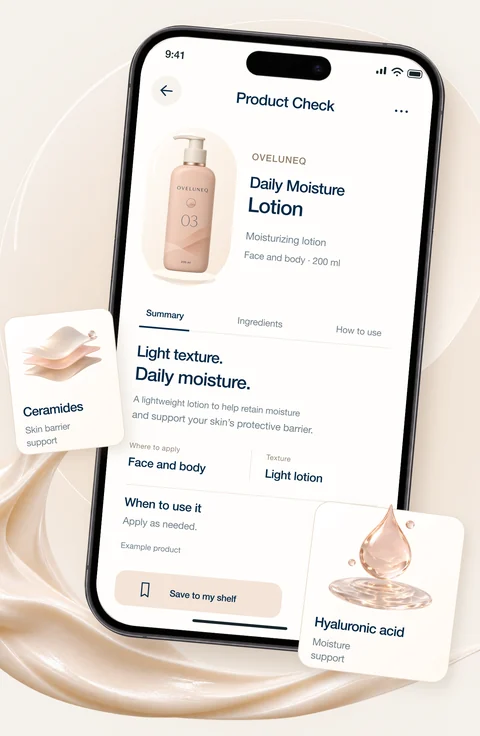
Not sure whether your cleanser or toner already contains BHA or clay? Take a photo of it in DermaScanAI's Product Check to see its ingredients and how to use it.
- Cleanse every evening to take off sunscreen, make-up and oil
- Use a leave-on BHA (salicylic acid) toner or serum one to three times a week
- Apply a clay mask (kaolin or bentonite) to your nose and T-zone about once a week
- Moisturize afterwards with a light, non-comedogenic formula
- Be patient and keep the routine steady rather than switching products often
Moisturizer and sunscreen still matter for how pores look
Skipping moisturizer to look less shiny often has the opposite effect. Skin that feels tight and rough makes pores look more defined, and it can look oilier by the afternoon. A light gel moisturizer keeps the surface smooth.
Daily sunscreen is a long-term habit for skin that looks smooth and even, and that includes the skin around your pores. Gel, fluid or matte formulas labelled oil-free are comfortable on oily skin.
Niacinamide is another popular serum ingredient here, used to help skin look less shiny and pores less visible.
How to make pores look smaller under make-up
Make-up can blur pores or settle into them, depending on how you apply it. A few small changes help.
- Start with moisturized skin so make-up doesn't cling to dry edges
- Press a thin layer of pore-blurring or mattifying primer onto the T-zone
- Use light layers of foundation and press, rather than rub, them in
- Powder only where you get shiny
- Blot with blotting paper during the day instead of adding more powder
What not to do: habits that make pores look worse
Some popular tricks give a quick satisfying result but leave skin looking rougher and pores more noticeable afterwards.
- Squeezing or picking at blackheads with fingers or tools
- Using pore strips over and over on the same area
- Scrubbing with gritty scrubs, brushes or rough cloths
- DIY hacks like lemon juice, toothpaste or baking soda
- At-home pore vacuums and suction gadgets
- Stacking several exfoliating products in one routine
In the app
Try it in DermaScanAI: build a routine for pores that look smaller
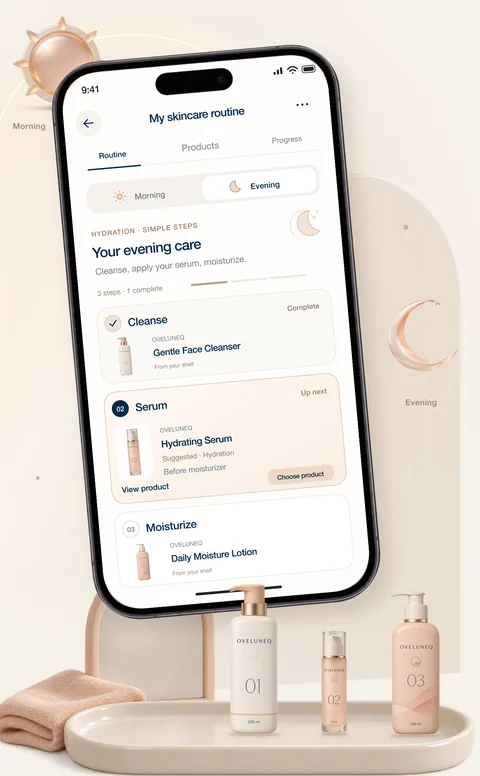
Start with Skin Check: choose your skin type yourself, take a photo and get a cosmetic overview of how your skin looks, with care tips. Then use Product Check to see whether your cleanser, toner or mask contains BHA, clay or niacinamide.
Care Routine puts your products in the right morning and evening order and gives a short reason for each step, so your exfoliant ends up on the right nights.
- Open Skin Check, select your skin type and take a well-lit photo
- Check your cleanser or exfoliant with Product Check
- Add it to the right step in Care Routine
Questions
Frequently asked questions
Can you actually shrink your pores?
No product changes the real size of your pores, and they don't open or close with hot or cold water. What you can change is how visible they look. Gentle cleansing, a BHA exfoliant a few times a week, moisturizer and daily sunscreen help pores look smaller.
My pores are huge, what can I do?
Focus on how visible they look rather than their size. Cleanse every evening, use a salicylic acid (BHA) product one to three times a week, moisturize and wear sunscreen daily. Look at your skin from arm's length rather than in a magnifying mirror, where pores look far bigger than they do to anyone else.
How do I care for blackheads on my nose?
Blackheads tend to come back because skin keeps producing oil, so think of it as ongoing care. Cleanse every night, use a BHA toner or serum one to three times a week, try a clay mask weekly and moisturize. Avoid squeezing, which makes the area look more noticeable.
Are pore strips bad for your skin?
Used occasionally, pore strips are fine for most people, but the effect is short-lived because pores refill within days. Using them often on the same spot can leave skin feeling rough and uncomfortable. Regular cleansing and a gentle BHA are a better everyday routine.
Does salicylic acid help with blackheads?
It can help them look less noticeable. Salicylic acid is an oil-soluble exfoliant (BHA) that works on the surface and in the pore lining, so pores can look less clogged. Start one to three times a week, follow the label, use one exfoliating product at a time and always follow with moisturizer.
How can I make pores look smaller under make-up?
Moisturize first, then press a thin layer of pore-blurring or mattifying primer onto your T-zone. Apply foundation in light layers, press it in rather than rubbing, and use powder only where you get shiny. During the day, blot instead of adding more powder.