
Quick answer
- Glycolic acid is an AHA exfoliant that helps skin look smoother, more even and more radiant.
- It works on the surface of the skin by loosening dead skin cells.
- Start two or three evenings a week and follow the product label.
- Don't use it in the same routine as retinol or other exfoliating acids.
- Wear broad-spectrum sunscreen every morning while you use it.
- Stinging or tightness means slow down: use it less often or take a break.
What does glycolic acid do for my face?
Glycolic acid is the smallest of the alpha hydroxy acids, the water-soluble exfoliating acids that also include lactic and mandelic acid. It works on the outer surface of the skin, loosening the bonds between dead skin cells so they shed more easily.
In cosmetic terms, that means skin that looks smoother, more radiant and more even, and make-up that often sits better. It's an exfoliant, so it won't change your skin type or fix every texture concern, and how much you notice varies from person to person. Used too often, it can leave skin feeling tight or sensitive, which is why the slow approach below matters.
- Exfoliates the surface for smoother-looking skin
- Helps dull skin look more radiant
- Helps skin look more even as part of a routine with sunscreen
- Comes in toners, serums, pads, cleansers and masks
Is glycolic acid or salicylic acid better for my skin?
Both are exfoliating acids, but they behave differently. Glycolic acid (an AHA) is water-soluble and works on the skin's surface, which is why it's popular for dullness, rough-feeling texture and an uneven look. Salicylic acid (a BHA) is oil-soluble, so it's often chosen for oily skin and pores that look clogged.
A simple way to choose: if your main wish is smoother, more radiant skin and your skin is normal to dry, glycolic acid is a common pick. If shine and visible pores bother you more, salicylic acid often fits better. You don't need both in the same routine.
- Glycolic acid: surface exfoliation, smoother and more radiant look
- Salicylic acid: oil-soluble, popular for oily skin and pores
- Sensitive-feeling skin: a gentler AHA such as lactic or mandelic acid may feel more comfortable
How to use glycolic acid on your face
Glycolic acid comes in toners, serums, pads and wash-off products. Leave-on products such as toners and serums work for longer on the skin, while cleansers are rinsed off and feel milder. Whatever the format, follow the directions on the label and start slowly, especially if you've never used an acid before.
Patch test a new product on a small area, such as along the jawline, for a few evenings before using it on your whole face.
- Cleanse your face in the evening and pat it completely dry
- Apply the glycolic acid product as the label directs, avoiding the eye area and the corners of your nose and mouth
- Wait a moment, then apply a simple, soothing moisturizer
- Start with two or three evenings a week
- Wear broad-spectrum sunscreen the next morning and every morning
Should I use glycolic acid in the morning or at night, and can I use it every day?
Evening is the usual choice. Your skin then has the night to settle, and you avoid layering an acid under make-up and daytime products. Some gentle wash-off products are designed for morning use; in that case follow the label.
Can you use glycolic acid every day? Some low-strength daily toners are made for it, but most people do well with two or three times a week. Build up only if your skin stays comfortable. Rough patches, tightness or stinging are signs to use it less often, not more.
What not to mix with glycolic acid
The main rule is to avoid stacking things that also work on the skin's surface. Glycolic acid and retinol are both strong steps, so use them on separate evenings, for example acid on one night, retinol on another and a plain moisturizer night in between.
Niacinamide and hyaluronic acid are generally fine alongside glycolic acid and can make a routine feel more comfortable. If you're unsure whether a product already contains an acid, check its ingredient list: glycolic acid is written as glycolic acid in the INCI list. In DermaScanAI, a photo in Product Check shows what's in a product and how to use it.
- Glycolic acid + retinol: alternate evenings
- Glycolic acid + salicylic acid or other AHAs: not in the same routine
- Glycolic acid + vitamin C: use vitamin C in the morning instead
- Glycolic acid + scrubs: skip the scrub
- Glycolic acid + niacinamide or hyaluronic acid: usually fine together
My face stings after glycolic acid: what should I do?
A brief tingle when you first apply an acid is common. Stinging that lasts, or skin that feels tight and uncomfortable, is a sign to slow down. Rinse the product off with cool water, apply a plain moisturizer and give your skin a break from all exfoliants for several days.
When you restart, use it less often, apply it to fully dry skin or switch to a gentler AHA or a wash-off format. If your skin still feels uncomfortable, stop using the product and ask a pharmacist. If you're pregnant or breastfeeding, check with your doctor or pharmacist before using glycolic acid.
Do I need sunscreen if I use glycolic acid?
Yes. Products with alpha hydroxy acids carry a sunburn alert on their labels in the US, advising daily sunscreen while you use them and for a week afterwards. Apply a broad-spectrum sunscreen of SPF 30 or higher every morning, including on cloudy days, and reapply when you're outdoors for longer.
Daily sunscreen also matters for the look of uneven tone, so it supports the very results most people want from an acid in the first place.
In the app
Try it in DermaScanAI: check your acid products and plan your exfoliation nights
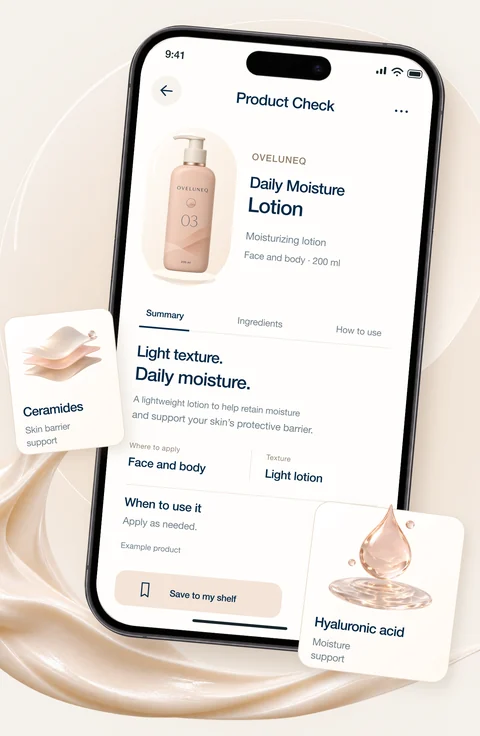
Product Check reads a product photo and lists its ingredients, what they're used for and how to use the product, with sources. It helps you see whether a toner or serum contains glycolic acid, another AHA or a BHA before you add it.
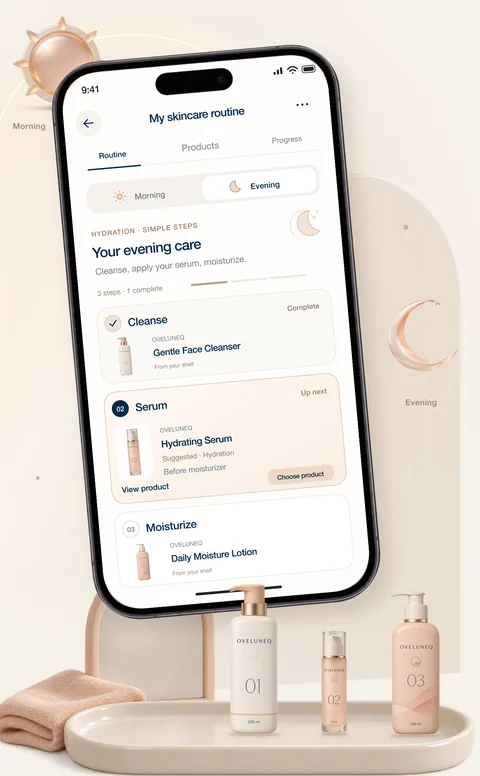
In Care Routine, you get morning and evening steps in order with a reason for each one, so it's easier to keep acids and retinol on separate evenings. You can ask the AI assistant follow-up questions too. The app explains ingredients; it doesn't flag ingredient conflicts automatically.
- Open Product Check and photograph your toner or serum
- Read its ingredients, purpose and how to use it
- Add it to your evening Care Routine
- Ask the AI assistant how often to use it alongside your other products
Questions
Frequently asked questions
What does glycolic acid do for my face?
Glycolic acid is an AHA that exfoliates the skin's surface by loosening dead skin cells. This helps your face look smoother, more radiant and more even. It's a cosmetic exfoliant, so results are gradual and vary from person to person, and it works best alongside daily sunscreen.
Can I use glycolic acid every day?
Some gentle daily toners are designed for it, but most people get on better with two or three evenings a week. Follow your product's label, start slowly and only increase if your skin stays comfortable. Tightness, stinging or rough patches mean you should use it less often.
Can I use glycolic acid with retinol?
Not in the same routine. Both are strong steps, and together they often leave skin feeling tight or uncomfortable. Use them on alternate evenings with a simple moisturizer night in between. If you're pregnant or breastfeeding, check with your doctor or pharmacist before using either.
Can I use glycolic acid with niacinamide?
For most people, yes. Niacinamide is a gentle ingredient that sits comfortably alongside glycolic acid. Apply the acid first on dry skin, wait a moment, then apply niacinamide and your moisturizer. If the combination stings, use niacinamide in the morning instead.
Is a glycolic acid toner good for beginners?
It can be, if you choose a gentle formula and start slowly. Use it two or three evenings a week on dry skin, follow with moisturizer and wear sunscreen each morning. Patch test first, and don't combine it with other exfoliants while your skin gets used to it.
Do I need sunscreen if I use glycolic acid?
Yes. AHA product labels advise using sunscreen while you use them and for a week afterwards. Apply a broad-spectrum sunscreen of SPF 30 or higher every morning, even when it's cloudy, and reapply when you're spending longer outdoors.