
Quick answer
- Morning: gentle cleanser, oil-free moisturizer, broad-spectrum sunscreen.
- Night: take off sunscreen and make-up, cleanse gently, moisturize.
- Add a cosmetic exfoliant like salicylic acid (BHA) two or three nights a week, as the label directs.
- Yes, acne-prone skin still needs moisturizer: choose a light, non-comedogenic formula.
- Hands off: picking and scrubbing make blemishes look more noticeable.
- Introduce one new product at a time so you know what suits your skin.
Morning routine for acne-prone skin
A morning skincare routine for acne-prone skin doesn't need to be long. The aim is to start the day with a fresh, comfortable face and good sun protection, without heavy layers.
If your skin is oily and acne-prone, a gel cleanser and gel moisturizer usually feel best. If it's blemish-prone but on the dry side, a cream cleanser and a light lotion are more comfortable. The steps stay the same.
- Cleanse with a gentle, fragrance-free face wash and lukewarm water
- Optional: one lightweight serum, such as niacinamide
- Apply an oil-free, non-comedogenic moisturizer
- Finish with broad-spectrum SPF 30 or higher
Night routine for acne-prone skin
At night, the priority is taking off sunscreen, make-up and the day's oil without scrubbing. A double cleanse works well if you wore make-up or water-resistant sunscreen: micellar water or a cleansing balm first, then your usual gentle cleanser.
A leave-on exfoliant is the one active many people add here. Salicylic acid (BHA) is a common choice for blemish-prone skin because it helps skin feel smoother and pores look less clogged. Start with two or three nights a week and skip it on nights you use retinol or another strong active.
- Take off make-up and sunscreen with micellar water or a cleansing balm
- Cleanse gently with your usual face wash
- On exfoliation nights only: apply a BHA toner or serum
- Finish with a light moisturizer
My skin is oily and prone to breakouts: do I still need moisturizer?
Yes. Skipping moisturizer is one of the most common mistakes with blemish-prone skin. Cleansers and exfoliants can leave skin feeling tight, and skin that feels stripped often looks more uneven and shiny later in the day.
Look for a lightweight gel or lotion labelled oil-free or non-comedogenic. Humectants such as glycerin and hyaluronic acid add moisture without a heavy feel, and niacinamide is a popular extra in moisturizers for oily, pimple-prone skin.
What does non-comedogenic mean on a product?
Non-comedogenic means the brand formulated the product to be less likely to clog pores. Oil-free means it doesn't contain oils, though it may still contain other rich ingredients. Both are helpful hints when you're shopping, but neither term is a promise, and every skin reacts a little differently.
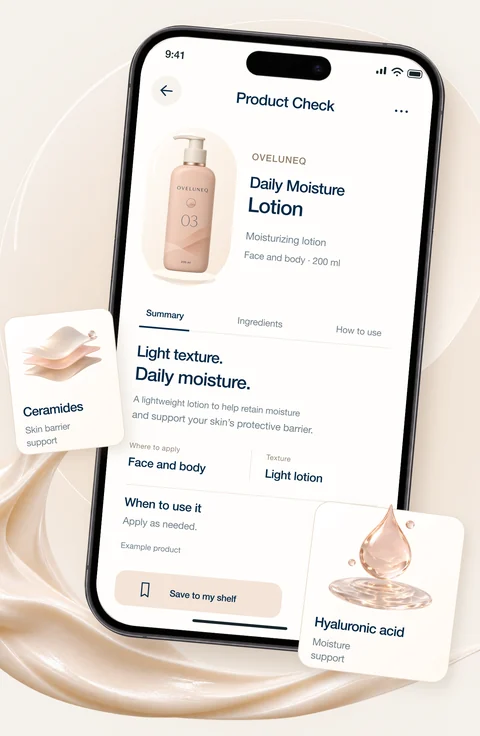
The ingredient list tells you more than the front label. Before you buy a moisturizer or sunscreen, you can take a photo of it in DermaScanAI's Product Check to see its ingredients, what they're used for and how to use it.
- Check moisturizers, sunscreen and make-up, not just skincare
- Fragrance-free formulas are often easier for sensitive-feeling skin
- Lighter textures (gels, fluids, lotions) usually feel better than heavy balms
- Heavy oils and butters high on the list suggest a richer formula
Everyday habits that help skin look calmer
Small habits often matter as much as products. Most of these cost nothing and make a routine for acne-prone skin at home easier to stick with.
- Keep your hands off: picking and squeezing make blemishes look more noticeable
- Change your pillowcase once or twice a week
- Wipe your phone screen regularly
- Wash make-up brushes and sponges often
- Cleanse after workouts or heavy sweating
- Skip harsh scrubs, rough cloths and DIY hacks like toothpaste or lemon juice
Why less is more: add one product at a time
When skin looks unsettled, it's tempting to buy several new products at once. That usually backfires: stacking exfoliants, retinol and strong toners often leaves skin feeling tight and uncomfortable, and you can't tell which product is helping.
Give each new product a couple of weeks before adding the next. Try it on a small area first, keep one exfoliating product in your routine at a time, and stop using anything that stings or feels uncomfortable. A pharmacist can help if you're unsure.
In the app
Try it in DermaScanAI: build a gentle routine for blemish-prone skin
In Skin Check you choose your skin type yourself, take a photo and get a cosmetic overview of how your skin looks, with care tips. The app doesn't decide your skin type or label your skin for you.
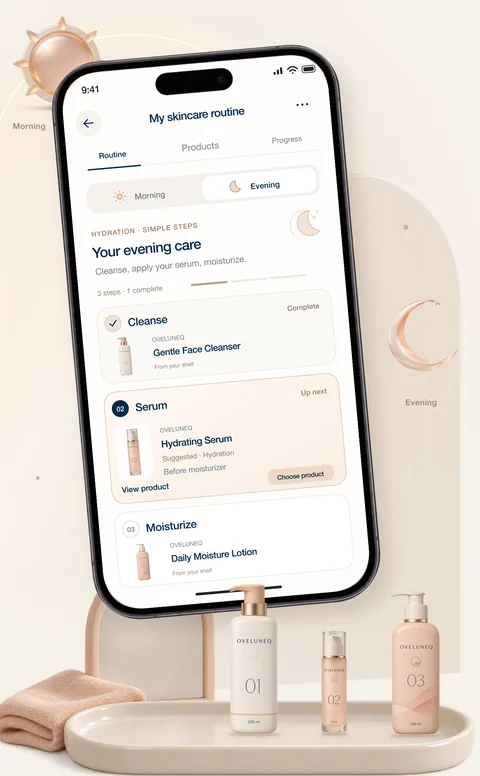
Care Routine then lays out your morning and evening steps in order, with a short reason for each step. Use Product Check on any new cleanser, moisturizer or sunscreen to see its ingredients before it goes into your routine.
- Open Skin Check and select your skin type, such as oily or combination
- Open Care Routine to see your AM and PM steps in order
- Check each new product's ingredients with Product Check before adding it
Questions
Frequently asked questions
What is a good skincare routine for acne-prone skin?
A gentle, short one. In the morning: a mild cleanser, an oil-free moisturizer and broad-spectrum sunscreen. At night: take off sunscreen and make-up, cleanse and moisturize. Many people add a cosmetic exfoliant such as salicylic acid two or three nights a week, following the label.
Should acne-prone skin use moisturizer?
Yes. Cleansers and exfoliants can leave skin feeling tight, and skipping moisturizer often makes skin look more uneven and shiny later. Choose a light gel or lotion labelled oil-free or non-comedogenic, with humectants such as glycerin or hyaluronic acid.
Can I use salicylic acid every day?
Some gentle salicylic acid cleansers are made for daily use, but leave-on toners and serums are usually best started two or three nights a week. Follow the label, don't use it on the same night as retinol or another exfoliant, and cut back whenever your skin feels tight or uncomfortable.
What does non-comedogenic mean on a product?
It means the product was formulated to be less likely to clog pores. It's a useful shopping hint for moisturizers, sunscreen and make-up, but not a promise, because every skin reacts differently. The ingredient list gives you more detail than the label on the front.
Can I wear sunscreen if I have blemish-prone skin?
Yes, daily sunscreen is part of a good routine for acne-prone skin. Look for a broad-spectrum SPF 30 or higher in a lightweight gel, fluid or matte formula labelled oil-free or non-comedogenic, and take it off properly with a gentle cleanse at night.
Why should I add only one new product at a time?
If you start several products together and your skin feels uncomfortable, you won't know which one caused it. Adding one product every couple of weeks, and trying it on a small area first, makes it easier to see what suits your skin and what to drop.